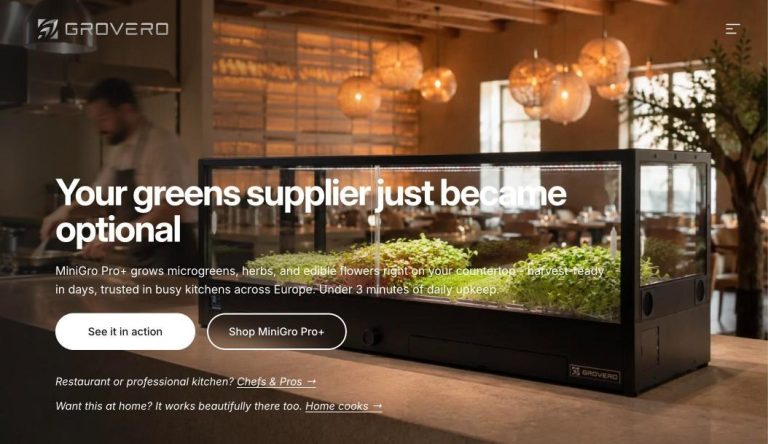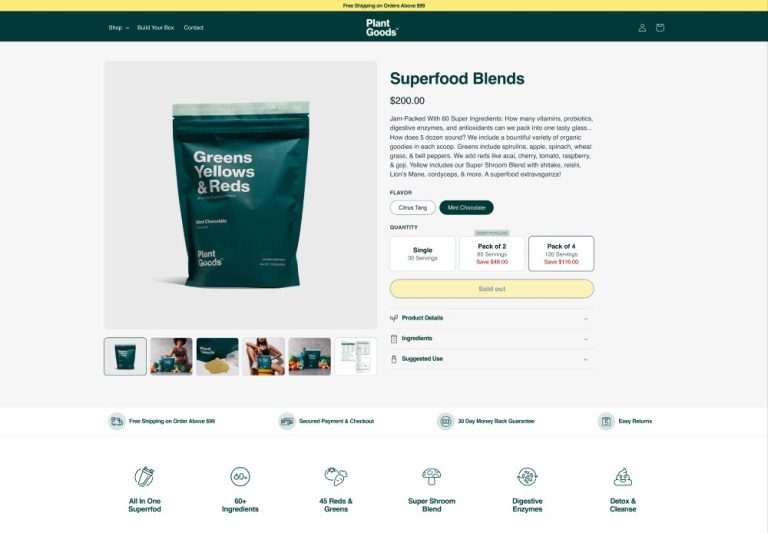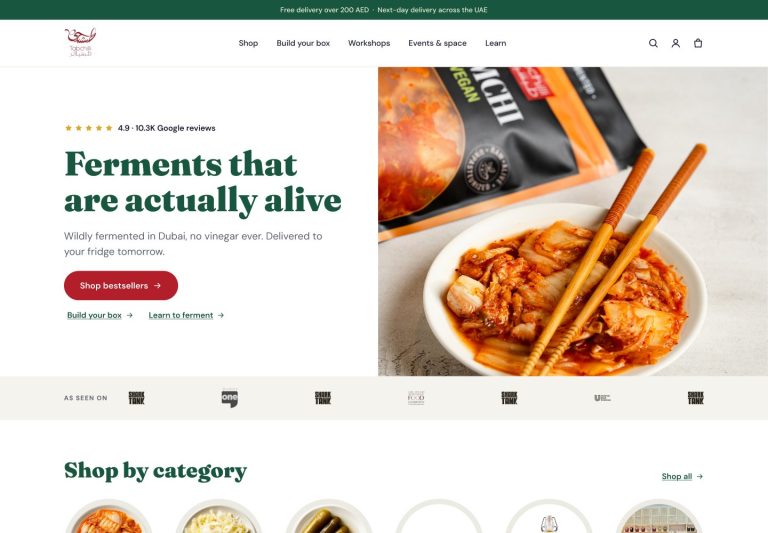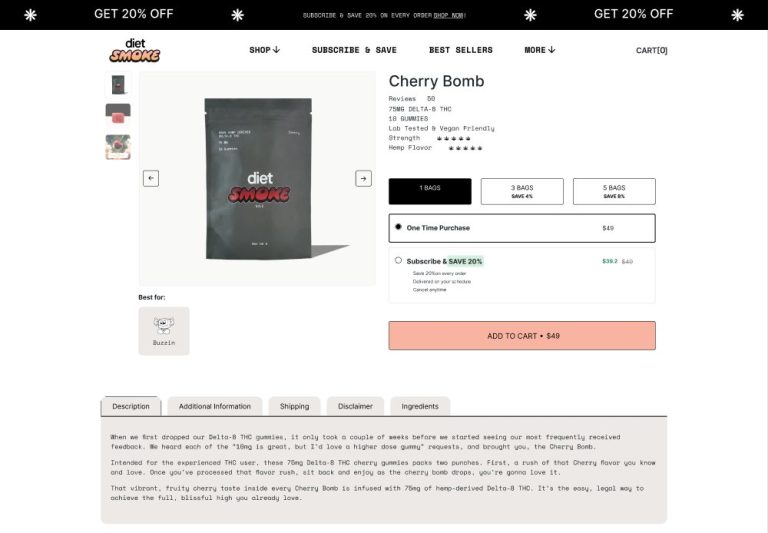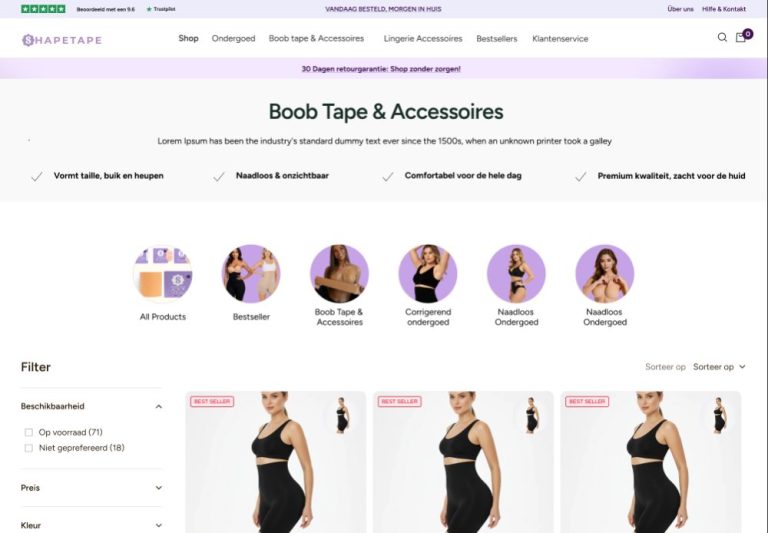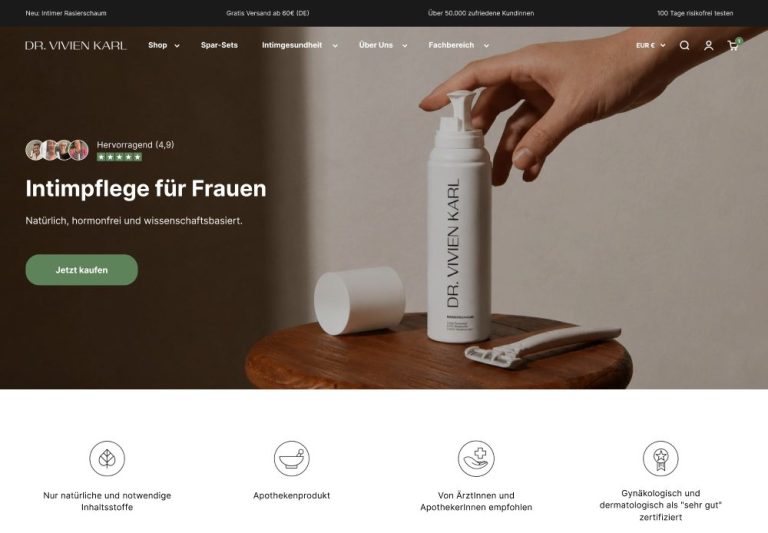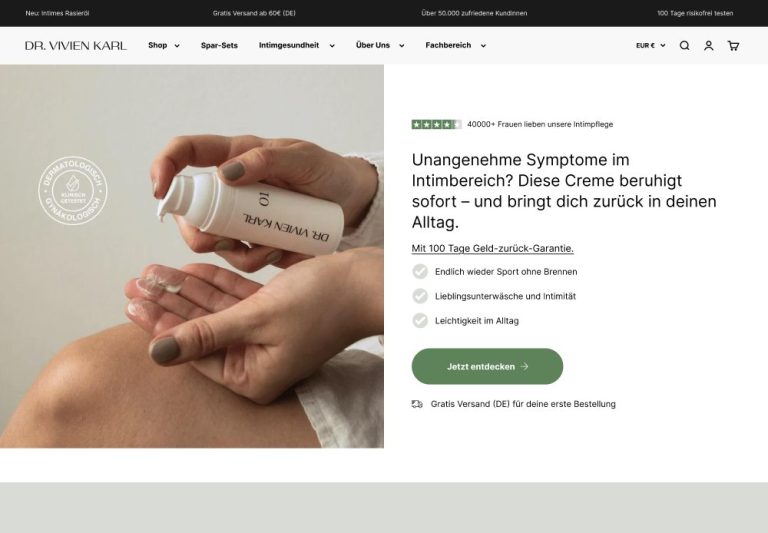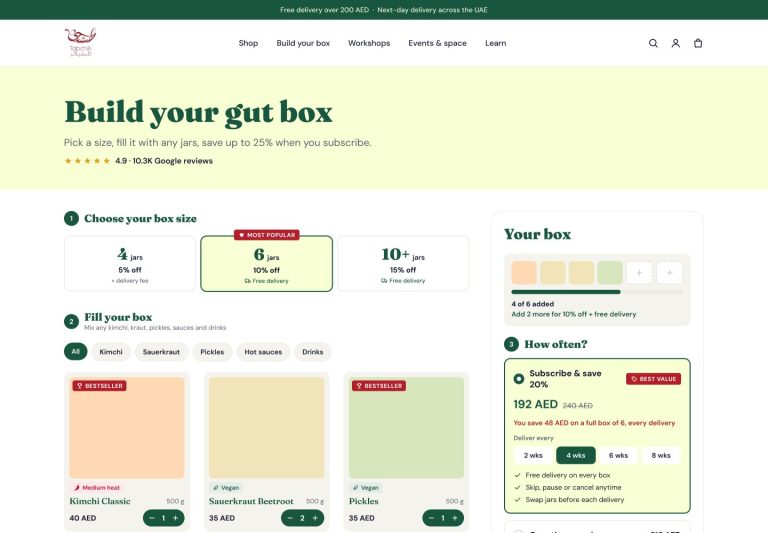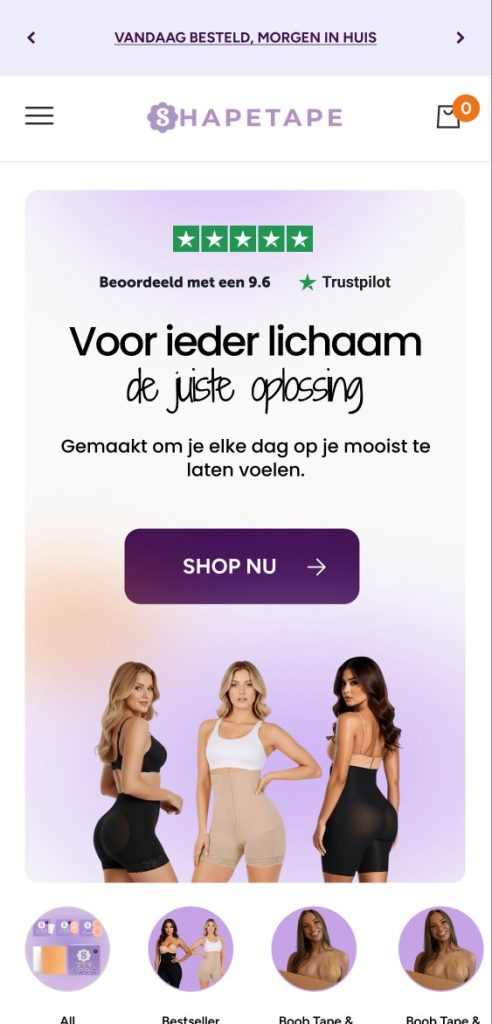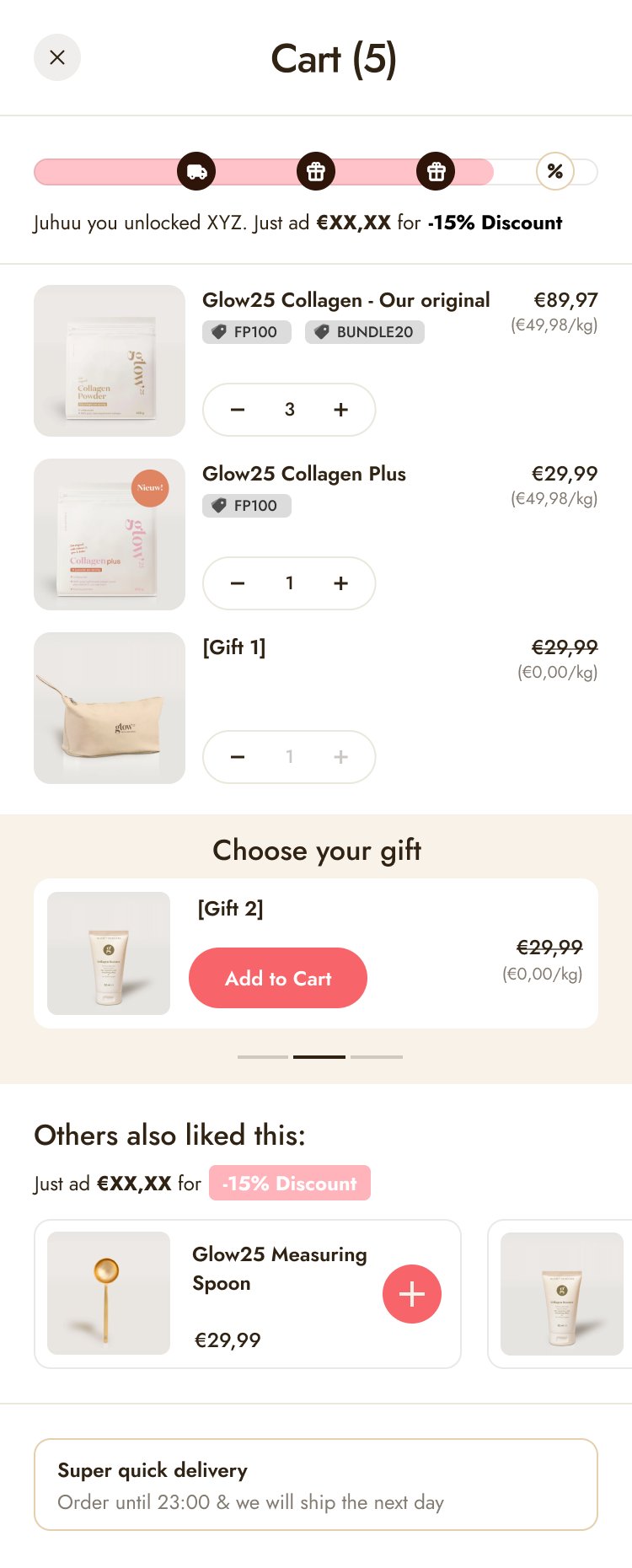
The client
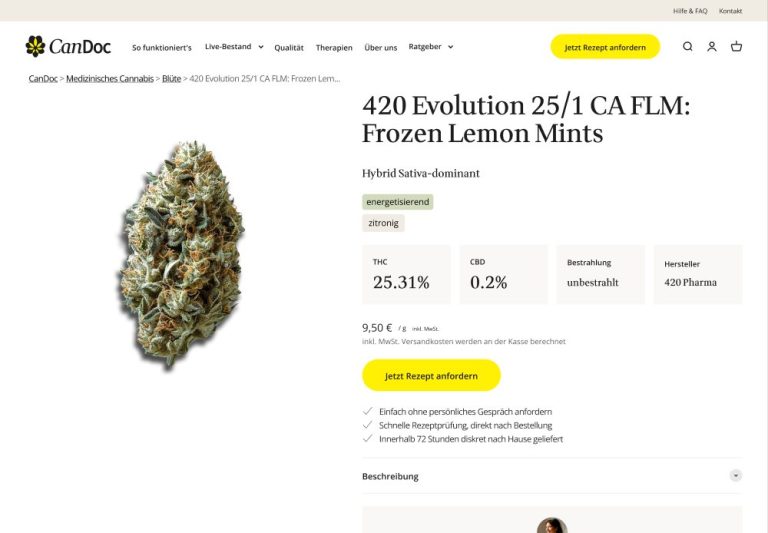
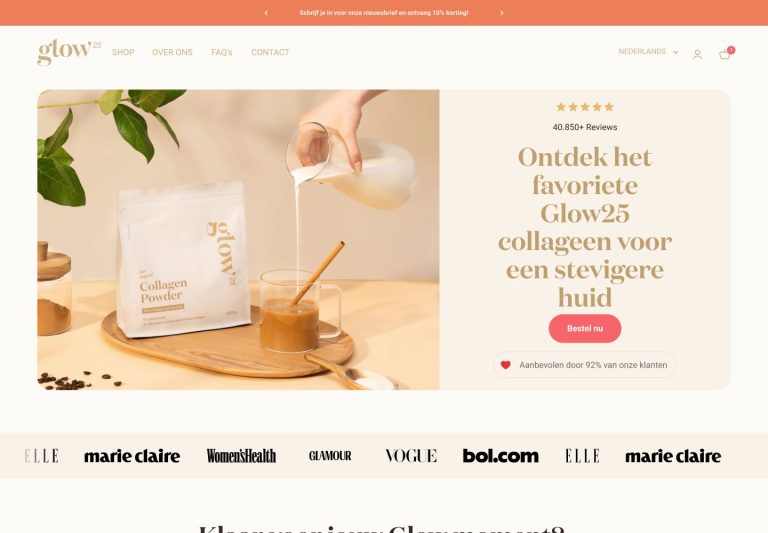
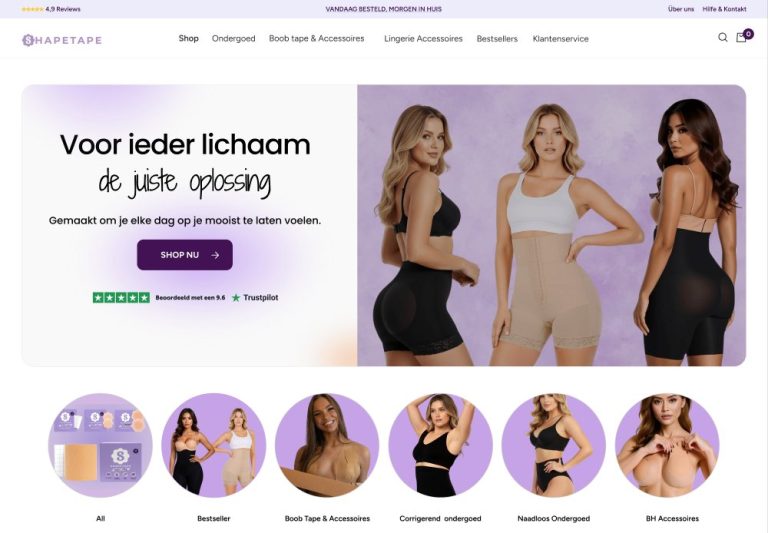
eCommerce, apparel
The challenge
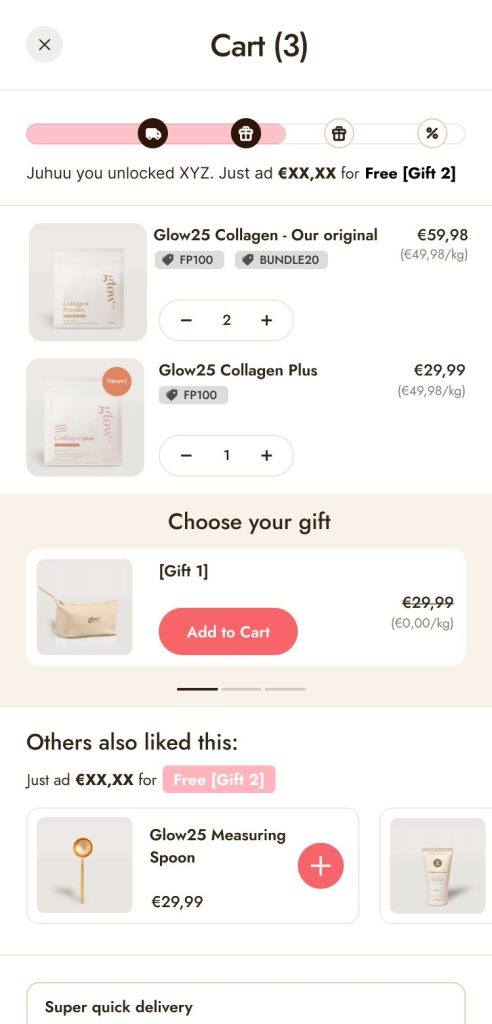
High cart abandonment on mobile despite strong traffic growth.
What we did
Checkout usability testing followed by a 12-test experiment program.
Data-driven experimentation that turns more of your visitors into paying customers.
Find out how much revenue you're leaving on the table.
"Over two years the team grew our paid-traffic conversion rate by 64% while our ad spend stayed flat."
"They increased our trial-to-paid rate by 40% in six months of structured experimentation."
"Revenue per session went up 43%. Every test came with a clear rationale and a clean readout."
A free working session, not a sales call: walk through your funnel, spot the biggest leaks, and leave with three testable hypotheses.
Book a strategy sessionChoose your test freely — every engagement is backed by documented, reproducible experiments.
| Sly Fox Porfolio | Agency A | Agency B | Agency C | |
|---|---|---|---|---|
| Published case studies | 120+ | 25 | 18 | 11 |
| Documented A/B tests | 1,500+ | 400 | 250 | 90 |
| Average documented uplift | 19% | 11% | 9% | 7% |
Placeholder comparison — replace with your own verified figures.
| Sly Fox Porfolio | A typical CRO agency | An in-house team | |
|---|---|---|---|
| Time to first experiment | First tests live within 3–4 weeks of kickoff. | Often 2–3 months while the team ramps up. | 6+ months to hire, onboard and build tooling. |
| Breadth of expertise | A full dedicated team: strategy, research, design, copy, development, QA and analytics. | Usually one or two generalists shared across accounts. | Limited to the skills you can afford to hire. |
| Cost structure | One predictable retainer, scaled to your testing velocity. | Retainer plus frequent out-of-scope charges. | Salaries, tooling and management overhead. |
| Accountability | Reported against agreed conversion and revenue KPIs. | Reported on activity (tests shipped), not outcomes. | Depends on internal leadership focus. |
eCommerce, apparel
High cart abandonment on mobile despite strong traffic growth.
Checkout usability testing followed by a 12-test experiment program.
B2B SaaS
Free trials signed up but rarely activated within the first week.
Onboarding funnel research and in-product experimentation.
Mobile app
Paid installs were cheap, but subscription starts lagged behind.
Paywall and pricing-screen A/B testing across 9 iterations.
Lead generation
Landing pages converted below the industry benchmark.
Message testing, form redesign and social-proof experiments.
Keeps the experimentation roadmap on schedule and your team in the loop.
Owns the hypothesis backlog and the overall testing strategy.
Runs usability tests, surveys and interviews to find out why users drop off.
Builds funnels, segments and statistical readouts for every experiment.
Designs each variation to be both on-brand and conversion-focused.
Writes and tests the messaging that moves users to act.
Builds pixel-perfect test variations without touching your codebase.
Verifies every variation across browsers and devices before launch.
Designs the statistics behind test sizing, duration and evaluation.
Every variation we launch is grounded in research — and the control keeps every losing idea away from your revenue.
| CRO Audit | Full-Service CRO | Landing Page Optimization | |
|---|---|---|---|
| Who is it for | Teams that want a prioritized roadmap before committing to a full program. | Companies with enough traffic to run continuous experimentation. | Performance-marketing teams whose paid traffic lands on underperforming pages. |
| What’s included | Analytics review, heuristic UX audit, research summary and a scored hypothesis backlog. | A dedicated 9-role team running research, design, development, QA and analysis end to end. | Message testing, page redesign and A/B-tested rollouts for your key landing pages. |
| Timeline | 3–4 weeks | Ongoing, monthly sprints | 6–8 weeks |
| Price | From $X,XXX (one-time) | From $X,XXX / month | From $X,XXX per page set |
| Book a consultation | Book a consultation | Book a consultation |
“The research phase alone paid for the engagement. They found friction in our checkout that three previous audits had missed.”
“Every experiment came with a clear hypothesis, a clean statistical readout and a documented learning. It changed how our whole team thinks about the funnel.”
“We tried running CRO in-house for a year. Their dedicated team shipped more validated wins in one quarter than we had in twelve months.”
“What impressed me most was the honesty: when a test lost, they said so, explained why and fed it into the next hypothesis.”
“The reporting is board-ready. I can trace every point of conversion uplift back to a specific experiment.”
“Onboarding took two weeks and the first winning test shipped in week five. Momentum never dropped after that.”
Enter your current numbers — the calculator shows the yearly revenue a realistic uplift would add.
A CRO agency helps its clients — eCommerce stores, SaaS platforms, apps, and lead-generation sites — convert visitors into buyers more effectively by optimizing UX/UI and copy.
The strongest programs pair data analytics and UX research with disciplined experimentation, so every change is validated before it becomes permanent.
A conversion rate optimization agency helps websites and apps turn more of their existing visitors into customers. That means researching user behavior, forming hypotheses about what blocks conversion, and validating changes to design, UX and copy through controlled experiments such as A/B tests.
Effective experimentation needs several disciplines at once — analytics, research, design, copywriting, development, QA and statistics. A full-service team covers all of them from day one, so tests ship faster and results are more reliable.
The first experiments typically launch within a month of kickoff. Meaningful, statistically validated uplifts usually appear within the first three to six months, and the compounding effect grows the longer the program runs.
It depends on your traffic, the scope of the program and testing velocity. Audits are one-time projects; ongoing programs are monthly retainers. Use the calculator above to sanity-check what an uplift would be worth to you before you invest.
Almost never. CRO works through targeted, evidence-based changes tested one at a time. Full redesigns without testing often hurt conversion because they change dozens of variables at once.
Against KPIs we agree on up front — usually conversion rate, revenue per visitor, average order value or lead volume. Every experiment gets a statistical readout, and wins are tracked through to permanent rollout.
As a rule of thumb, a page needs enough traffic to produce a few hundred conversions per variation within a reasonable test window. Below that, we lean on research-driven improvements and qualitative validation instead of split tests.
Yes — they complement each other. SEO grows the traffic, CRO grows the share of that traffic that converts. We coordinate test implementation so experiments never harm your search rankings.
Any business whose website drives revenue: eCommerce stores, SaaS products, mobile apps and lead-generation sites. The methodology is the same; the research and hypotheses are tailored to each funnel.
A monthly report covering every experiment: hypothesis, variation, statistical outcome, revenue impact and the learning it produced — plus a live dashboard so you can check progress at any time.
Yes. Mobile usually carries the majority of traffic and the lowest conversion rate, so mobile-specific research and experiments are a standard part of every program.
As soon as you spend meaningfully on paid traffic. Every improvement to a landing page multiplies the return on every ad dollar you are already spending.